Exploring SaaS Security Best Practices to Protect Vulnerable Client Data
Protecting vulnerable client data is more than a technical challenge—it’s a responsibility that shapes trust between agencies and the people they serve. When sensitive information slips through cracks, the consequences ripple across communities and services. This post breaks down essential SaaS security best practices and shows how ECINS case management puts these safeguards into action, making multi-agency collaboration safer and more effective than ever before.
Understanding SaaS Security Best Practices
Understanding the essentials of SaaS security is crucial to protecting client data. These best practices ensure that sensitive information stays safe while enabling seamless operations across platforms.
Key Elements of SaaS Security
SaaS security starts with a solid foundation. You need to know what’s essential to keep your data safe. This includes having strong access controls and ensuring data is encrypted. For instance, 70% of breaches happen because of poor access management. Make sure only the right people have access to critical information. Regular updates and patches are another crucial element. They fix vulnerabilities that may arise over time. Don’t forget about data backups. They ensure that you can recover quickly from any data loss incidents. Protecting data isn’t just about having the right tools; it’s about using them effectively. If you want to dive deeper into these practices, consider reading more on SaaS security essentials.
Protecting Vulnerable Client Data
Ensuring the safety of client data can seem daunting. But by focusing on a few key strategies, you can significantly reduce risks. Start by understanding where all your data is stored. It’s common for data to be scattered across multiple systems, which can lead to security gaps. Regular audits can help you identify and close these gaps. Also, consider using encryption to protect data both in transit and at rest. This makes the data unreadable to anyone who might intercept it. Utilizing tools that offer real-time threat detection can also be a game-changer. This way, potential breaches can be identified and addressed quickly. For more insights, explore critical SaaS security practices.
Importance of Role-Based Access Control
Role-based access control (RBAC) is a powerful tool in maintaining security. With RBAC, you can assign permissions based on a user’s role in your organization. Imagine you have a team of 50 people but only 5 need access to sensitive data. RBAC ensures only those 5 people can access it. This minimizes the risk of unauthorized access. It also simplifies the management of user permissions. When someone changes roles or leaves the organization, their access can be adjusted swiftly. RBAC is about granting the least privilege necessary, reducing security risks while maintaining productivity. For a comprehensive understanding, check out this guide on SaaS security.
Features of Secure Case Management Software
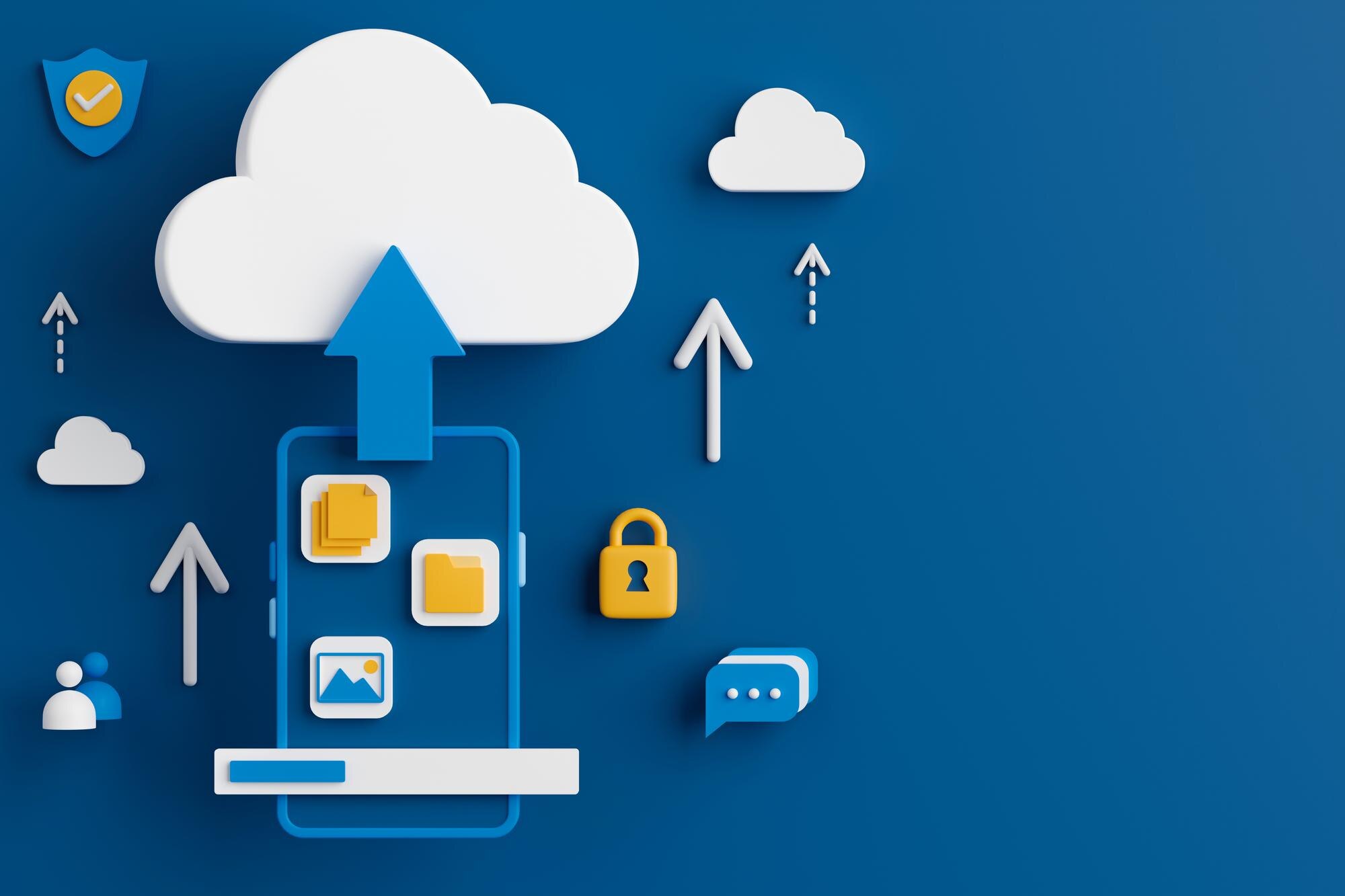
Once you understand the basics of SaaS security, it’s time to explore how secure case management software can help in safeguarding data. These platforms come packed with features designed to protect information and ensure compliance.
Encryption in Transit and At Rest
Encryption is a cornerstone of data protection. It ensures that data remains secure whether it’s being sent over the internet or stored on a server. When data is encrypted in transit, it can’t be read by anyone who intercepts it. Similarly, data at rest is protected from unauthorized access. This is crucial for any organization handling sensitive client data. By implementing strong encryption protocols, you can safeguard data against breaches. The importance of encryption is evident, with over 90% of businesses prioritizing it in their security strategies. To learn more about encryption strategies, visit Forcepoint’s guide on data security.
Multi-Factor Authentication Essentials
Multi-factor authentication (MFA) adds an extra layer of security. It’s not enough to rely solely on passwords, which can be easily compromised. MFA requires users to provide additional verification, like a fingerprint or a code sent to their phone. This makes it significantly harder for unauthorized users to gain access. In a world where 81% of breaches are due to weak passwords, MFA is a must. Implementing MFA can drastically reduce the chances of unauthorized access, ensuring your systems and data are better protected.
Audit Trails and Compliance
Audit trails are vital for both security and compliance. They provide a record of who accessed data and what changes were made. This transparency is crucial for meeting regulatory requirements. With audit trails, you can track suspicious activity and respond quickly to potential threats. They also help in understanding and improving security protocols. Compliance with regulations like GDPR or HIPAA is non-negotiable, and robust audit trails ensure you meet these standards. For more on compliance, explore this insightful article.
ECINS: A Multi-Agency Collaboration Platform
After exploring the essentials of SaaS security, ECINS stands out as a platform that integrates these best practices. It strengthens multi-agency collaboration while safeguarding sensitive data.
Privacy by Design and Data Minimization
ECINS is built with privacy in mind. Privacy by design means integrating privacy principles into every aspect of the platform. It ensures that data is collected and used only as necessary. Data minimization is part of this approach, where only essential information is stored and processed. This reduces the risk of data breaches and ensures compliance with privacy laws. By focusing on these principles, ECINS empowers organizations to protect client data effectively.
Incident Response Plan and Business Continuity
An effective incident response plan is crucial for handling security breaches. ECINS provides organizations with tools to respond swiftly to incidents. This minimizes disruptions and ensures business continuity. The platform helps in identifying the scope of a breach, containing it, and preventing future occurrences. By having a clear response plan, organizations can maintain trust and minimize potential damage. ECINS ensures that even in the face of a breach, operations continue smoothly, protecting both the organization and its clients.
Secure Referral System for Social Care
ECINS offers a secure referral system, essential for social care organizations. It allows for the safe exchange of information between agencies. This system ensures that sensitive data is shared only with authorized individuals, protecting client privacy. With the secure referral system, organizations can collaborate effectively, providing comprehensive support to vulnerable individuals. By prioritizing security in referrals, ECINS helps social care agencies work together efficiently while safeguarding sensitive information.
By understanding and implementing these SaaS security best practices, organizations can protect vulnerable client data and enhance their service delivery. ECINS demonstrates how a robust platform can facilitate secure multi-agency collaboration, empowering practitioners to make a positive impact on the communities they serve.