From Silos to Shared Support: How Integrated Referral Systems Streamline Social Care
Social care referrals often get stuck in separate systems, slowing help for those who need it most. You know how frustrating delays and miscommunication can be when agencies work in silos. An integrated referral system changes this by connecting teams through one secure cloud platform—speeding up support and improving outcomes. Let’s explore how ECINS makes multi-agency collaboration practical and reliable for everyone involved. Learn more about the implementation of these systems here.
Streamlining Social Care Referrals

Let’s dive into how integrated referral systems can transform social care. By connecting different agencies on one platform, these systems ensure faster help for those in need.
Benefits of Integrated Referral Systems
Integrated referral systems bring many advantages. First, they speed up the process. Instead of going through multiple channels, all information is centralized. This means quicker decisions and faster care. A study found that integrated systems reduce referral times by up to 50%. This speed can make a huge difference.
Second, these systems improve communication. When everyone is on the same page, there’s less chance for errors. Miscommunication can lead to delayed care, but a shared platform minimizes this risk.
Lastly, integrated systems offer a complete picture. By having all data in one place, you get a better understanding of each case. This leads to more informed decisions and better outcomes.
Overcoming Silos in Social Care
Silos in social care can create barriers. When agencies work separately, it can lead to missed information and delayed support. Integrated systems help break down these barriers by connecting different teams.
Imagine a world where a healthcare provider, social worker, and community service are all in sync. With integrated systems, this is possible. Most people think their agency’s internal system is enough, but shared platforms prove otherwise.
By bringing everyone together, you ensure that no critical information is left out. This collaboration leads to more effective care and better support for individuals.
Enhancing Multi-Agency Collaboration
Collaboration is key in social care. Integrated systems make it easier for different agencies to work together. This means a more coordinated approach to care.
With integrated systems, everyone involved in a case can access the same information. This real-time information sharing ensures everyone is up-to-date. It also allows for quick adjustments when needed.
Here’s the key insight: When agencies collaborate effectively, outcomes improve significantly. By using integrated systems, you foster a team approach, enhancing the support offered to individuals.
Implementing an Integrated Referral System
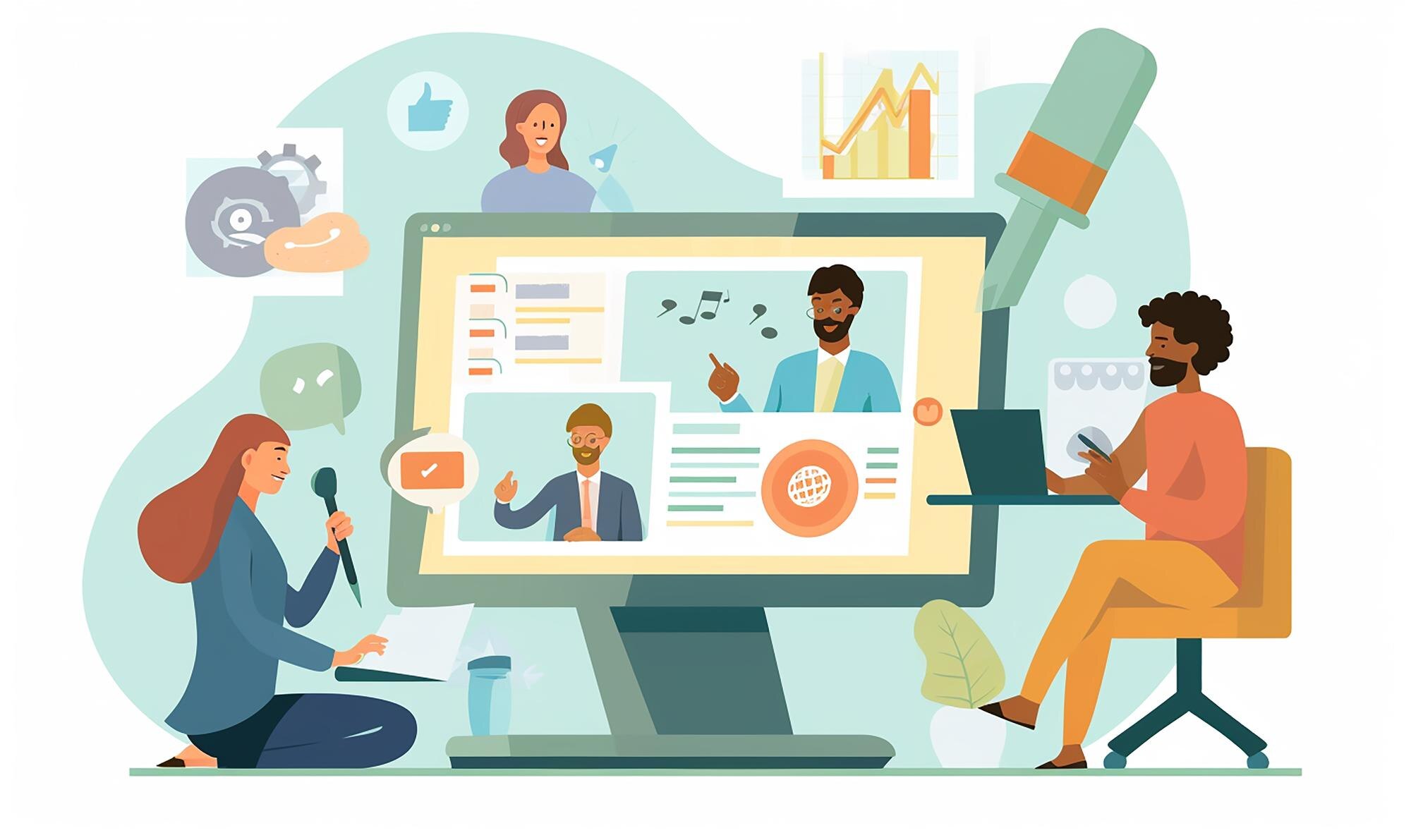
Implementing an integrated referral system might seem daunting, but with the right steps, it can be smooth and beneficial.
Steps to Successful Rollout
Rolling out an integrated system involves several steps. First, you must assess your current processes. Understand what works and what needs improvement. This will help tailor the system to your needs.
Next, select a platform that aligns with your goals. ECINS, for instance, offers a user-friendly interface designed for collaboration. Once chosen, it’s crucial to train your team. Ensure everyone knows how to use the system effectively.
Finally, monitor progress. Regularly check how the system is performing and make necessary adjustments. By following these steps, you ensure a successful rollout that benefits everyone involved.
Ensuring Data Security in Social Care
Data security is vital in social care. An integrated system must protect sensitive information. ECINS uses advanced encryption to keep data safe. This ensures that only authorized personnel can access the information.
Moreover, having a centralized system reduces the risk of data breaches. Instead of information being scattered across multiple platforms, it’s stored securely in one place. This not only protects data but also builds trust with those you serve.
Improving Consent Management and Referral Triage
Consent management and referral triage are essential components of integrated systems. Ensuring that individuals give informed consent is crucial. ECINS streamlines this process, making it easy to track and manage.
Referral triage is another key feature. With all information in one place, it’s easier to prioritize cases and ensure timely support. This leads to better outcomes and more efficient resource use.
Empowering Practitioners with ECINS
ECINS empowers practitioners by providing tools that enhance their ability to offer support.
Real-Time Information Sharing
One of the standout features of ECINS is real-time information sharing. This ensures that all team members are updated instantly. It eliminates the delays often seen in traditional systems.
Real-time updates mean that practitioners can respond more quickly to changing situations. This agility is crucial in providing timely support and improving outcomes.
Outcomes Reporting and Audit-Ready Tracking
ECINS also offers robust outcomes reporting and audit-ready tracking. This means you can easily measure the impact of your efforts. With detailed reports, you gain insights into what works and what needs improvement.
Audit-ready tracking ensures transparency. It allows you to demonstrate the effectiveness of your interventions to stakeholders, building trust and credibility.
Community Support Technology in Action
Seeing technology in action is inspiring. ECINS is more than just a system; it’s a tool that transforms how you deliver care. By fostering collaboration and improving efficiency, it empowers you to make a real difference in the lives of those you serve.
In conclusion, integrated referral systems like ECINS revolutionize social care. They break down silos, enhance collaboration, and streamline processes. By adopting these systems, you not only improve outcomes but also empower your team to deliver the best possible support.