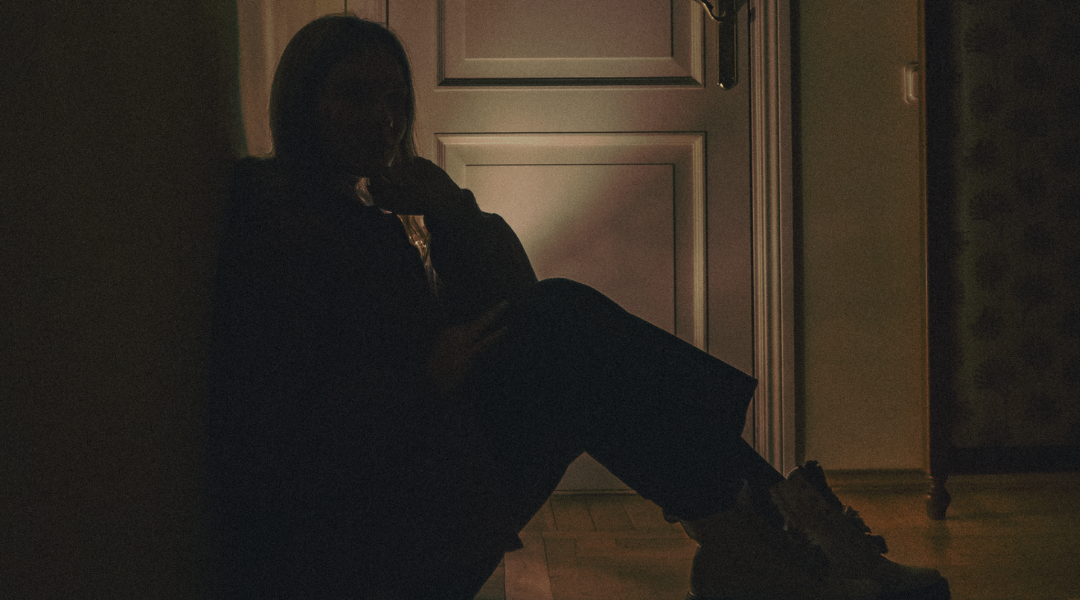
Cuckooing can occur behind a front door whilst warning signs are scattered across multiple organisations.
A housing officer may notice damage to a property. Police might receive reports of unfamiliar visitors or antisocial behaviour. A health professional could see a decline in the resident’s wellbeing. Meanwhile, neighbours report frequent activity at unusual hours. When viewed separately, each concern can appear inconclusive. But, when joined together, they may reveal that a vulnerable person has lost control of their home.
Recognising cuckooing depends on professionals combining concerns so that they understand the wider context and act together before exploitation escalates.
What is Cuckooing?
Cuckooing, sometimes described as a forced home invasion, occurs when criminals take over another person’s home and use it for criminal activity. The term is derived from the behaviour of cuckoos, which occupy nests of other birds.
The Home Office has identified cuckooing as a common tactic used by drug dealers. However, a property may also be used for carrying out other forms of criminal activity: storing weapons or money, or facilitating sexual exploitation.
Perpetrators often target people whose circumstances they believe they can exploit. This can include people experiencing social isolation, substance dependency, mental or physical ill health, learning disabilities, financial hardship or insecure housing. Older people, care leavers and people with limited support networks may also be at risk.
Victim profiles vary, and vulnerability is not the cause of cuckooing; responsibility always lies with those exploiting.
Gradual Development of Control
Cuckooing doesn’t always begin with obvious forced entry. A perpetrator may first present themselves as a friend, partner, carer or source of money, companionship, protection or drugs. Once they have established access, the relationship often shifts, with behaviour becoming intimidating, coercive, violent and controlling.
Perpetrators may force residents to hand over their keys, allow people to stay or remain silent about what is happening. They may also confine residents to one room, force them to leave the property or prevent them from seeing family members and professionals.
This can make a victim’s situation difficult to identify. On the surface, a resident may appear to be allowing the activity, but apparent cooperation does not always mean a person is acting freely. Fear, dependency, grooming or threats can prevent victims from disclosing abuse or accepting help.
What are the signs of cuckooing?
There isn’t a single indicator that proves cuckooing is taking place. Changes and patterns should be considered by professionals, as well as combinations of concerns, such as:
- Unfamiliar people regularly entering and leaving a property, particularly at unusual hours
- Increased footfall, loitering, vehicles or taxi and takeaway activity nearby
- A rise in noise, arguments, parties, littering or other antisocial behaviour
- Damage to doors, windows or the interior of the home
- The resident appearing anxious, intimidated, withdrawn or reluctant to speak
- Unexplained injuries or a sudden deterioration in physical or mental health
- The resident no longer having access to parts of their home, their keys, phone or finances
- Discouraging neighbours, relatives or usual support workers from visiting
- Changes in the resident’s routine, appearance or engagement with services
- Signs of drug use, dealing, weapons or discarded paraphernalia
- Threats or intimidating behaviour towards neighbours and other residents
It is important to carefully consider these signs. Changes in routine or an increase of visitors can have many explanations. The purpose of recording and sharing a concern isn’t about making assumptions, but to help the appropriate professionals assess risk with a fuller picture of information.
Why Cuckooing is a Multi-Agency Safeguarding Issue
Cuckooing can involve criminal exploitation, modern slavery, violence, abuse, anti-social behaviour, housing risk and significant harm to the wider community. No single organisation is likely to hold a complete picture or every resource required to respond.
A coordinated response could involve:
- Police identifying and disrupting perpetrators
- Adult or children’s social care assessing safeguarding needs
- Housing teams and landlords securing the property and considering tenancy-related action
- Health and substance misuse services addressing physical health, dependency and trauma
- Community safety and antisocial behaviour teams responding to the impact on neighbours
- Fire and rescue services identifying hazards within the property
- Probation or youth justice contributing relevant risk information
- Voluntary and community organisations providing trusted, ongoing support
The immediate safety of the victim is critical, but removing people from a property is rarely where the response ends. Without sustained support and a shared safety plan, a person might remain vulnerable to the same perpetrators or be re-targeted.
Fragmented Oversight
If every agency only sees one part of the picture, cuckooing is easy to miss. Concerns can be stored in separate case management systems, inboxes, incident logs and professional notes. Different addresses or spellings may make connected reports seem unrelated. Professionals may address repeated low-level incidents individually and miss the escalating pattern beneath them.
Also, fragmentation can create ambiguity around responsibility. Teams may submit referrals without assigning clear ownership, duplicate actions or visit and assess the same resident without knowing that another service has already done so.
Effective information sharing helps partners to answer questions that isolated records can‘t:
- What has changed, and when?
- Who has connections to the person or property?
- Which agencies have raised concerns?
- Is the frequency or severity of incidents increasing?
- What action have professionals already taken?
- Who is responsible for the next step?
- Has the resident become safer as a result?
From Isolated Concerns to Coordinated Action
A strong multi-agency response makes it easier for authorised professionals to record concerns, connect related information and agree action around both the person and the property.
Establishing a clear chronology, documenting decisions and assigning actions to named professionals is crucial to this process. Risk should also be reviewed as circumstances change, as opposed to treating the first assessment as final.
Information must be shared lawfully and securely. Access should reflect each person’s role, with a clear record of who has viewed, added and changed information. These safeguards enable collaboration whilst also protecting the dignity and privacy of the individual at the centre of the response.
Most importantly, the response should remain victim-centred. Practitioners should consider the person’s communication needs, capacity, relationships, housing situation and reasons for fearing or dependence on the perpetrators. Building trust can take time, meaning repeated engagement may be necessary before a person feels able to disclose what is happening.
Seeing the Pattern Earlier
Cuckooing thrives when perpetrators isolate victims and agencies hold fragmented information. When agencies can connect details (a damaged door, an unfamiliar visitor, a missed appointment), the pattern can become clear.
Earlier visibility gives partners a better opportunity to safeguard the person, restore control of their home and prevent further harm. Alongside sharing information, this requires a secure, structured way to turn shared concerns into coordinated action.